




Table of Contents

What are conkers?

First month flea FREE (*£3.49 P&P first month only)

Speedy same day dispatch**

12+ million flea & worm packs sold

Tailored to your pet
Blog Home

Flea
Ticks & Lice
Worming
Itch News
Itch Insights
Q&A

Table of Contents
What are conkers?
As the leaves start to turn golden, autumn feels like the perfect time to get outside with your dog. But it’s also the season when conkers and acorns start scattering across the ground – and while they might look harmless, they can actually be dangerous for our four-legged friends. Keep reading to learn what to watch out for!
Conkers, which come from horse chestnut trees, are a familiar sight in parks and green spaces at this time of year. They look striking with their spiky shells and shiny brown seeds inside, but if a dog chews or swallows them, it can cause some pretty nasty health problems. The same goes for acorns.

The tricky part is that dogs interact with them in different ways – bigger breeds might gulp them down, while smaller ones are more likely to have a chew. Either way, it can make them poorly. Conkers contain a toxin called Aesculin, and symptoms can show up within hours.
These can include:
Vomiting
Diarrhoea
Stomach pain
Restlessness
Rashes or swelling (especially around the face)
Weakness or even collapse
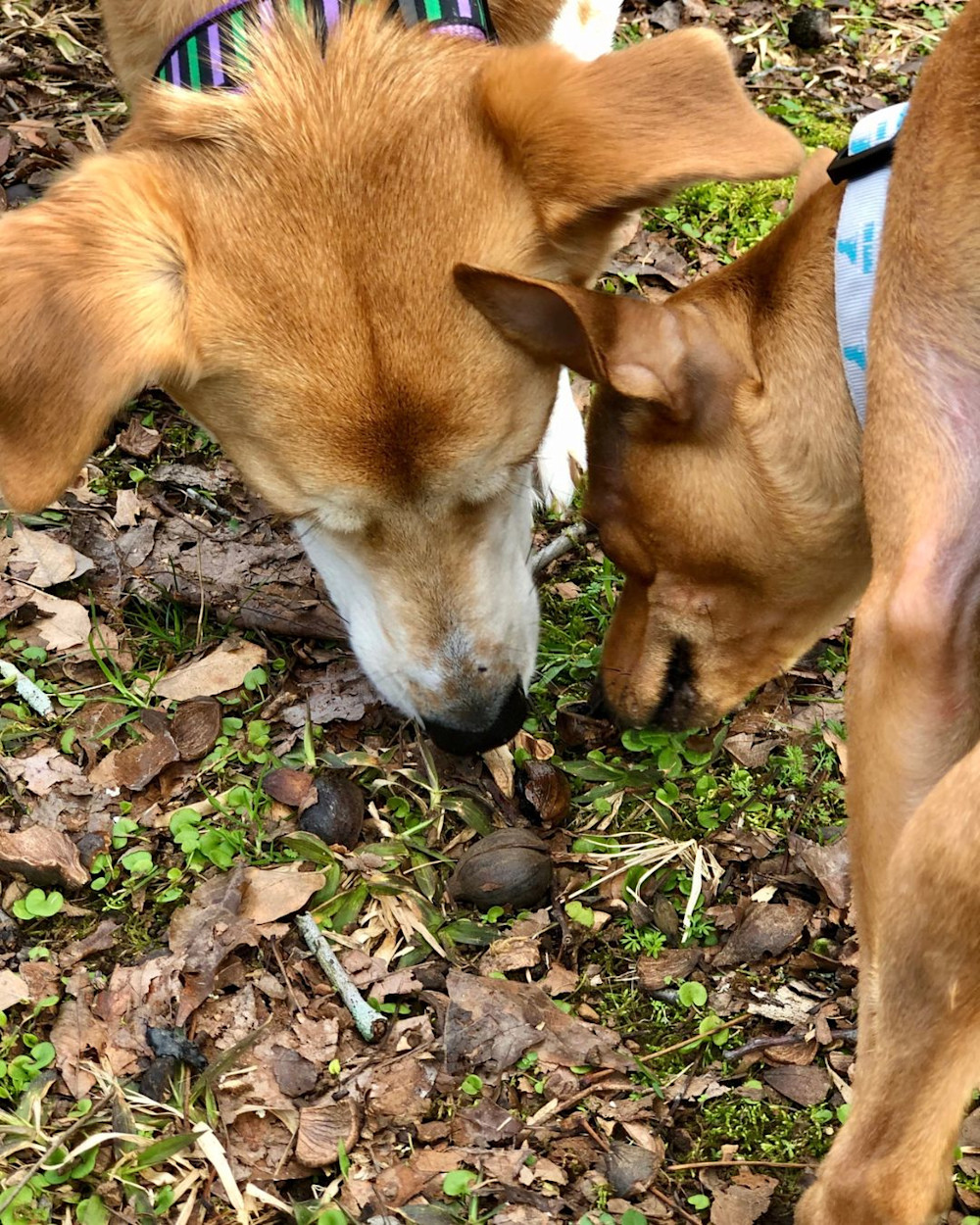
On top of that, both conkers and acorns can be a choking hazard, or even cause a blockage in the gut if swallowed whole.
So, what can you do to keep your dog safe? When you’re out walking, especially in areas where the ground is littered with conkers, keep your dog on a lead and watch out for any sneaky attempts to pick them up. They might look like harmless autumn treasures, but the risks are real.
If you think your dog has eaten a conker or acorn, or they start showing any of the symptoms above, it’s best to call your vet straight away. A quick response can make all the difference.
Our Vet Team are professionally qualified in veterinary medicines advice and they're here to help. Led by Dr Zoe Costigan, we're no nonsense and knowledgeable experts! Nothing makes us happier than helping you be flea and worm free. We're on the usual socials @itchpet, so slide into our DM's, drop us an email or hop on the phone.
Contact us

Share


Ah, fleas – the uninvited guests who think your pet’s blood is theirs to munch on. These tiny nuisances are more than just a bother; they’re a full-blown, hopping headache. But how can you tell if you’re dealing with fleas? Well, whether you’ve got a cat, a dog, or you’re just a worried homeowner, here are five tried-and-tested ways to spot the little blighters.

Sending your pet to the vet is never going to be a cheap day out but the record shows that the cost of vet consultations and treatments are at an all time high, and it’s not going to slow down any time soon. On average, a trip to the vets in this day and age will cost you around £400.* Don’t fall into the vet bill trap, scroll to find our top tips to get the best bang for your buck when looking after your pup.

You love your dog - that's a given - but at times, they’re probably the most gross creature you’ve ever met. From rolling around in poop in the woods to burying dead seagull carcasses at the beach, they don’t do themselves any favours in the smell department!
In these cases it’s smart to stick them straight in the bath as soon as you get home. But how do you know when to give them a bath the rest of the time?